Istanbul Confectionery Since 1864
Discover Hafiz Mustafa’s story since 1864, from Bahçekapı and Ottoman confectionery to fine ingredients, treasured recipes and global recognition.
An Istanbul Confectionery House Since 1864
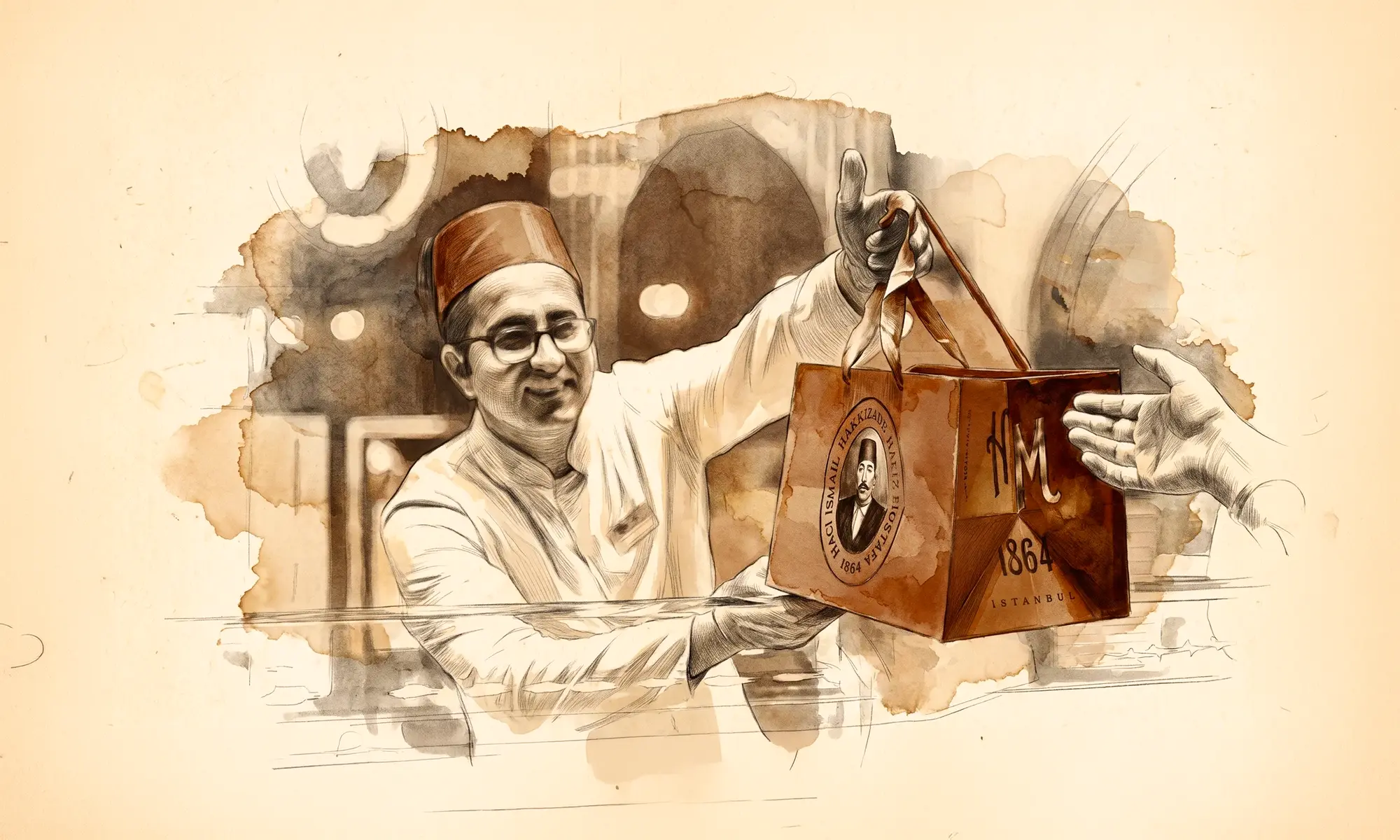
Hafiz Mustafa began in Istanbul in 1864, during the reign of Sultan Abdülaziz. İsmail Hakkı Bey had arrived in the capital from Orta, Çankırı, carrying the profession of a jeweler. Bahçekapı offered another calling. In the cellar beneath premises on Hamidiye Street, he began preparing akide candy with assistance from his sons. The assortment grew year after year, and the family counter gradually became part of Istanbul’s appetite. İsmail Hakkı Bey also introduced poğaça to a growing circle of customers in Istanbul.
One son, Mustafa, divided his life between the confectionery and Arpacılar Mosque, where he was a muezzin. Religious learning gave him the title Hafiz. Istanbul eventually joined the title and name so completely that the confectionery itself became known as Hafiz Mustafa.
More than 160 years later, the name still carries the city, the recipes, and the accumulated experience of generations.
For a century and a half, we have been trying to prepare Turkish desserts as delicious as our ancestors did.
Bahçekapı: Where the Name Entered Istanbul Life
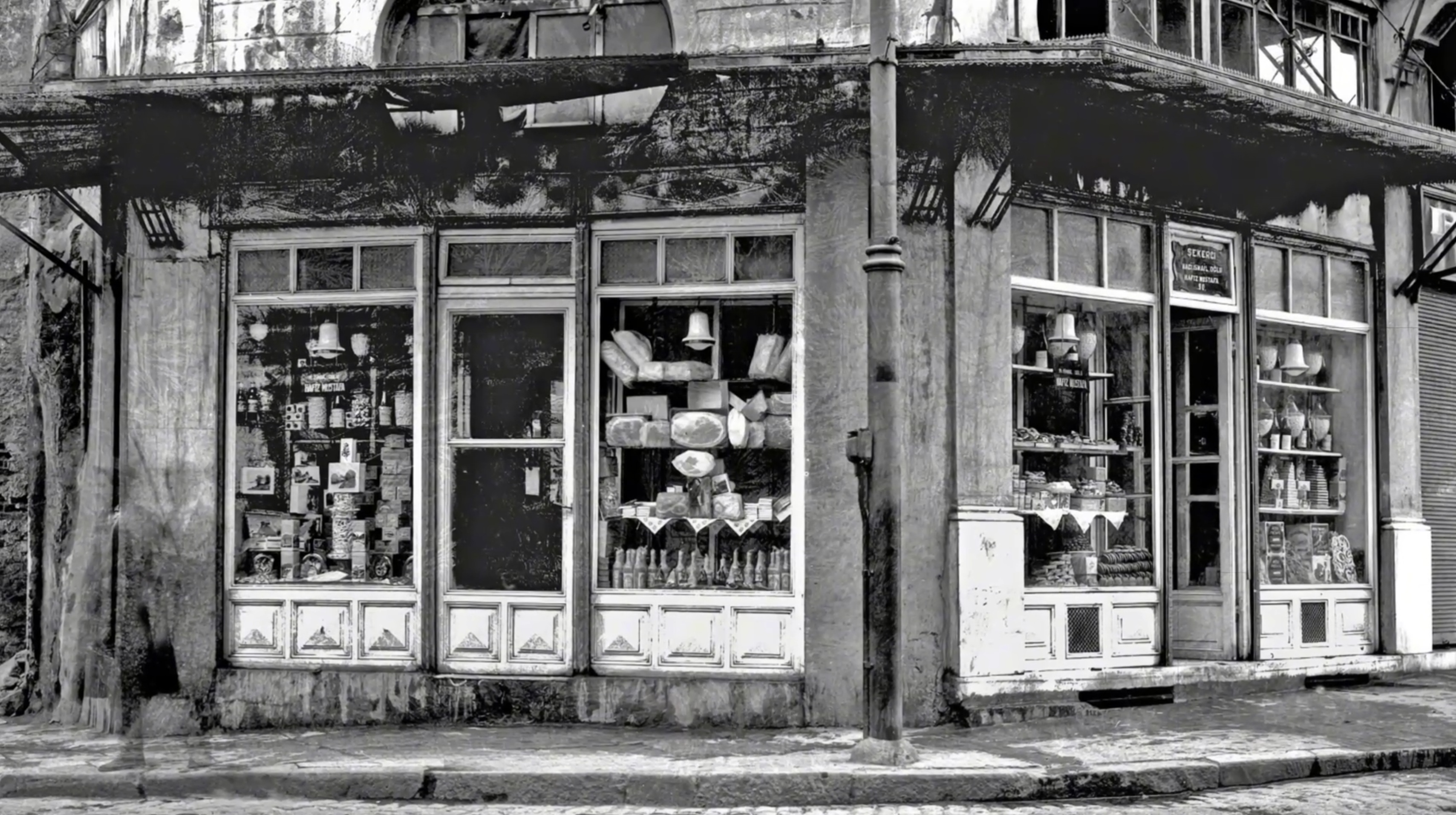
Eminönü belonged among nineteenth-century Istanbul’s great commercial centers. Merchants, travelers, shopkeepers, and residents passed daily through Bahçekapı, creating one of the capital’s most active quarters.
Commercial records eventually placed Hafiz Mustafa firmly within that world. The Annuaire Oriental recorded İsmail Hakkı among the confectioners of Bahçekapı at No. 4 in 1888. Tailors and a watchmaker occupied neighboring premises. Records from 1889 list İsmail Hakkı at Bahçekapı No. 4 and Alaca Hamam Street No. 72. Subsequent records trace changes in the neighboring shops and the gradual development of the family business.
Names also changed as decades passed. “Hacı Mustafa,” “Hacı İsmail,” “Hacı İsmail Zade Hafız Mustafa,” and later “Hafız Mustafa ve Mahdumları” appear in different periods. After 1929, Istanbul increasingly knew the house through the name that survives today: Hafız Mustafa.
Bahçekapı, therefore, carries significance beyond that of an early commercial address. It belongs to the documented origins of the house and to the Istanbul memory surrounding Hafiz Mustafa.
More Than Recipes
Longevity alone cannot explain Hafiz Mustafa.
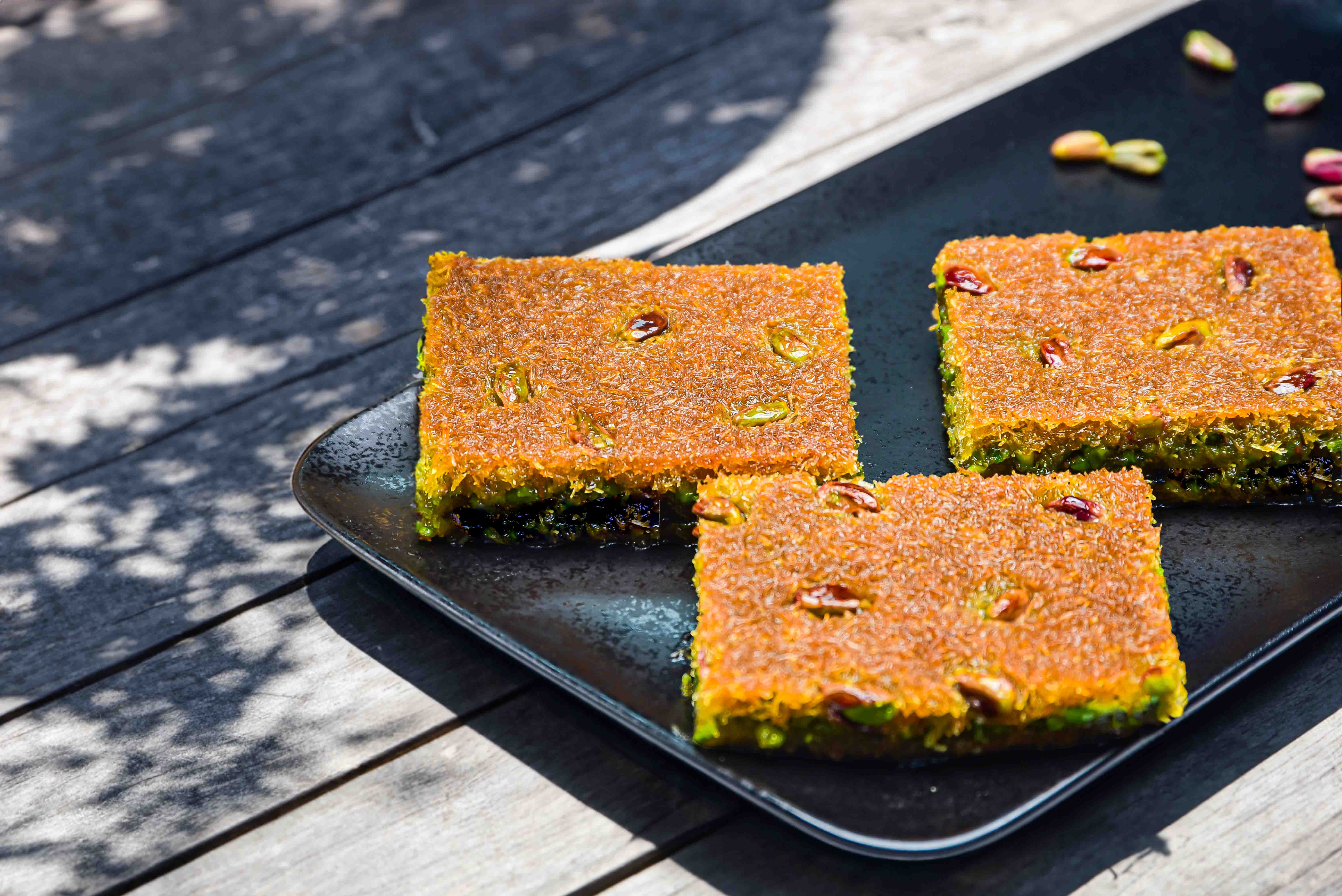
Recipes written on paper record ingredients and quantities. Confectionery asks for another kind of understanding: the judgment earned after thousands of preparations, the feel of phyllo beneath the fingers, the correct heat for kadayif, the desired consistency of lokum, the proper relationship between pistachio and pastry, and the moment a milk dessert reaches its familiar texture.
Some production methods still rely on practical expertise passed down among masters. Training gives new chefs direct contact with established methods, while traditional equipment remains part of production wherever it contributes to the recipe’s authentic character. The archive records one particularly telling example in traditional muhallebi: Sübye, a rice emulsion produced from specially milled broken rice, uses the historic Foça stone-milling method. Identical grinding stones traveled to international production facilities so the original texture could continue beyond Istanbul.
Such details clearly reveal Hafiz Mustafa's philosophy. Expansion carries meaning only when the dessert retains the house's signature taste.

Ingredients Worthy of the Recipe
Ingredient origin has always mattered in Turkish cuisine. Hafiz Mustafa follows the same principle.
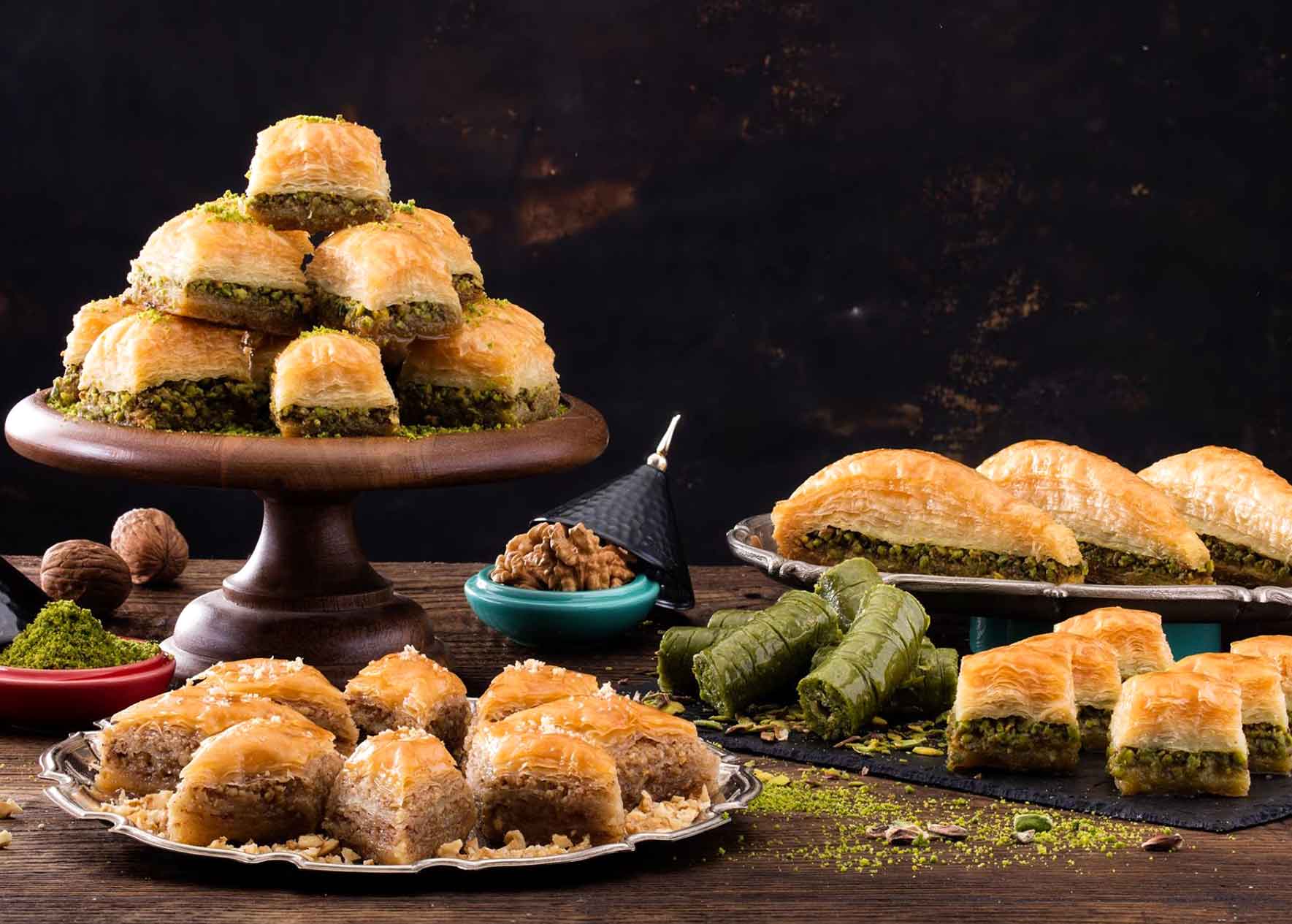
Turkish pistachios, fine walnuts, Giresun hazelnuts, natural fruit extracts, traditional butter, chocolate, dairy ingredients, and regional specialties are incorporated into recipes to suit each dessert's character.
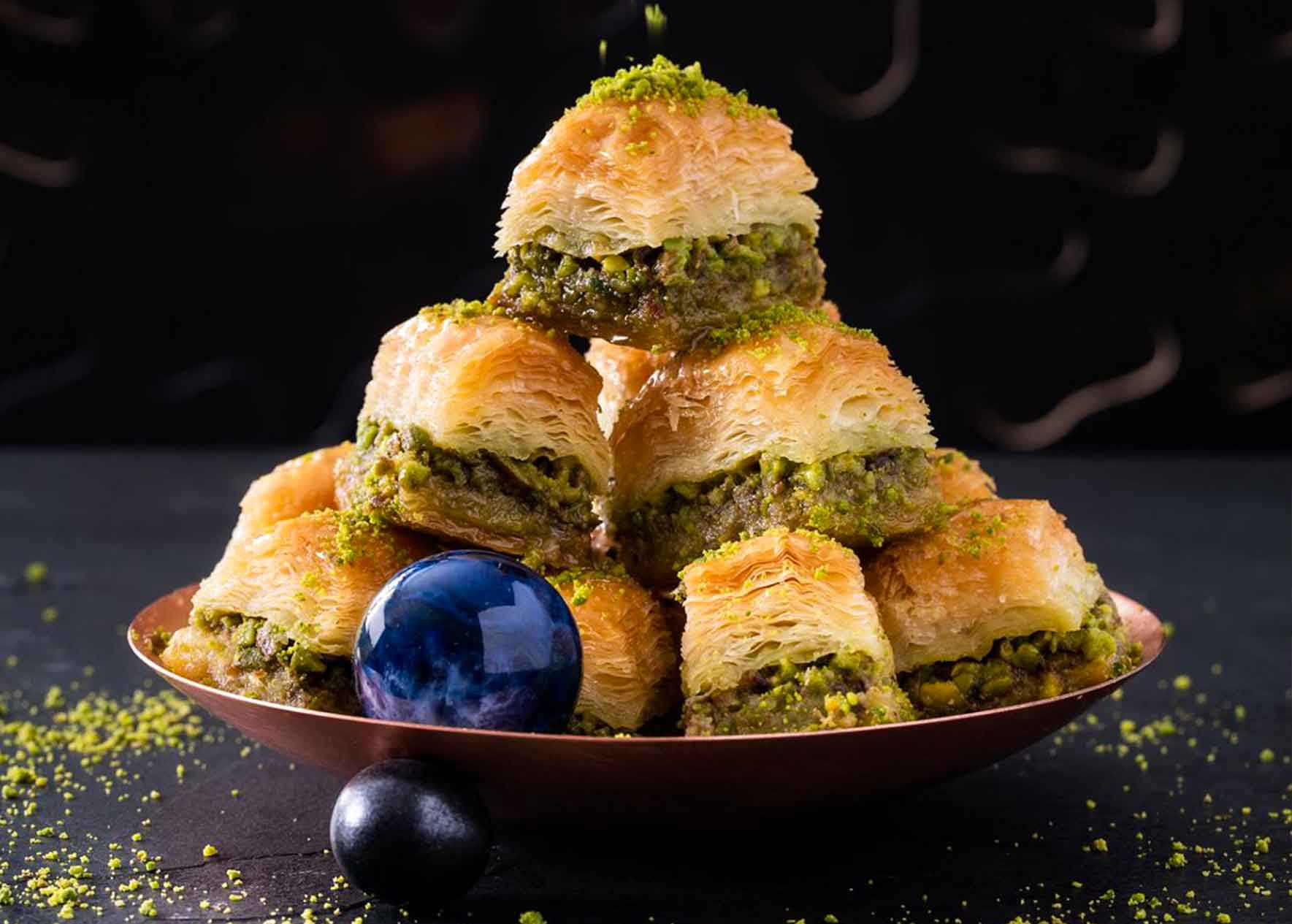
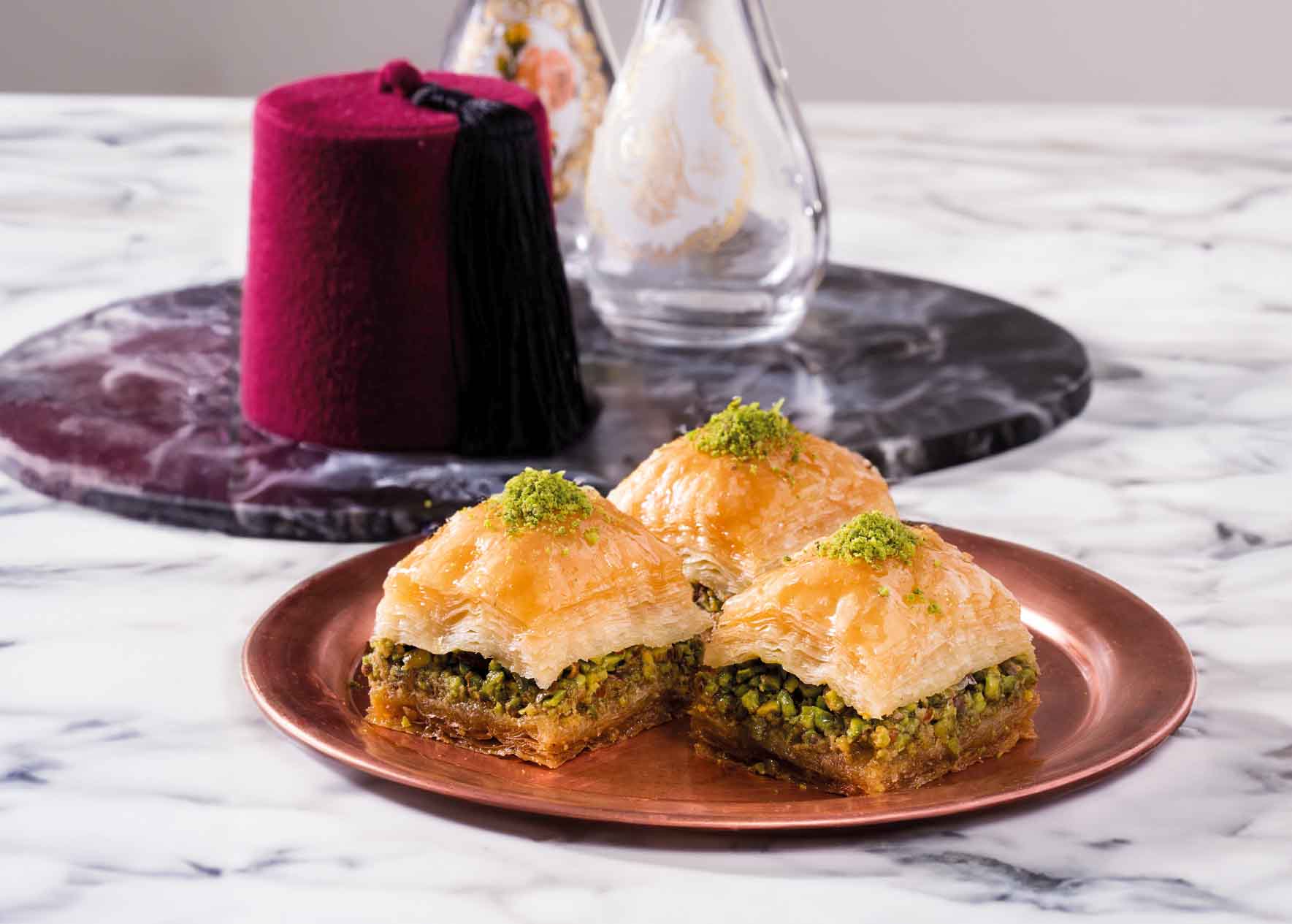
Baklava gives perhaps the clearest example. The Hafiz Mustafa archive records Turkish Boziçi pistachios, fine phyllo, traditional butter, and beet-derived sweetness among the principal elements behind the house’s pistachio recipes. Forty layers of phyllo give Classic Baklava its delicate pastry structure, and experienced hands prepare those layers individually.
Natural ingredients remain an important part of the wider production philosophy. The house favors beet-derived sweetness and natural fruit extracts, with ingredient selection closely tied to freshness and origin.
Quality begins here: with the pistachio, walnut, fruit, milk, chocolate, flour, butter, or aromatic ingredient chosen for the recipe.
Technique can honor a fine ingredient.
It can never replace one.

Freshness Before Convenience
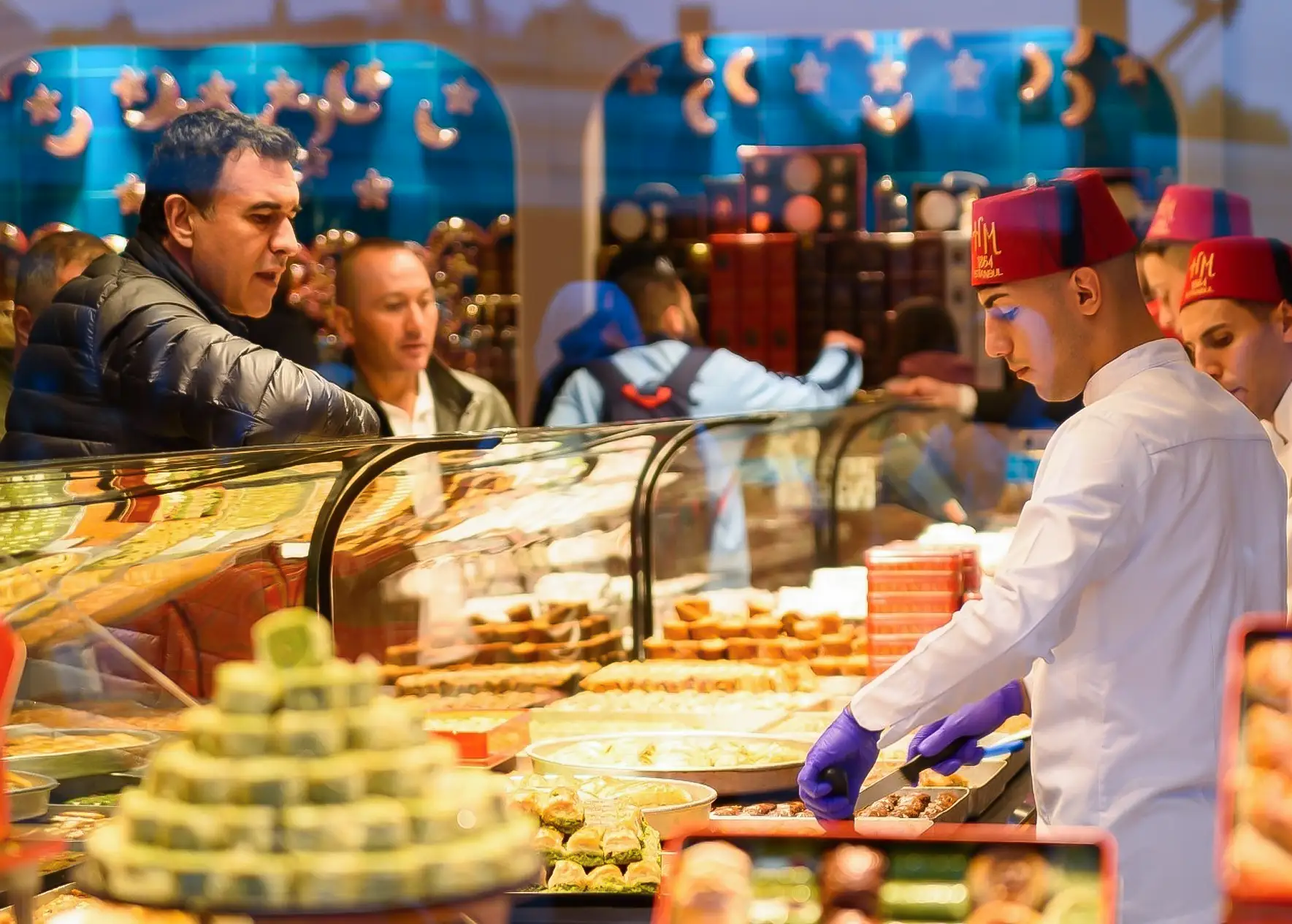
Hafiz Mustafa welcomes millions of guests each year, yet production remains tied to demand.
The master archive records a deliberate fresh-production philosophy. Desserts are produced continuously in response to demand rather than being manufactured far in advance for long-term storage. Daily production, logistics, and quality checks support this approach across the operation.
International growth follows the same thinking. Hafiz Mustafa favors local production facilities and trained teams for international operations so desserts can retain the recipes and preparation methods associated with Istanbul. Frozen dessert export is absent from the house’s standard international model.
Dubai and London, therefore, receive more than a name above a doorway.
They aim to recreate the Istanbul confectionery experience through recipes, production methods, trained chefs, and hospitality. International branches carry a fitting message:
Welcome to Istanbul.

History in the House Itself
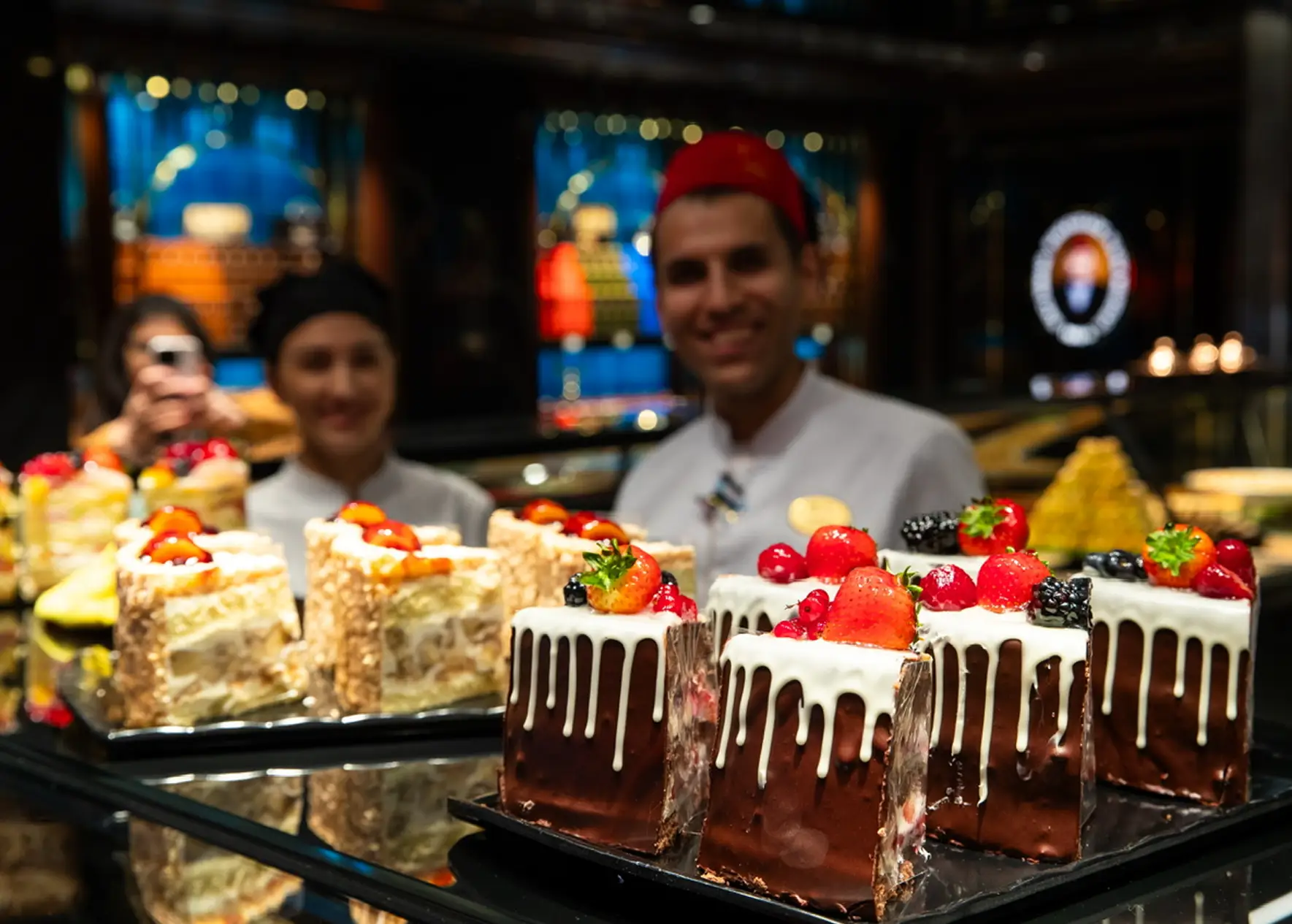
Hafiz Mustafa carries Turkish cultural references into its interiors and visual identity.
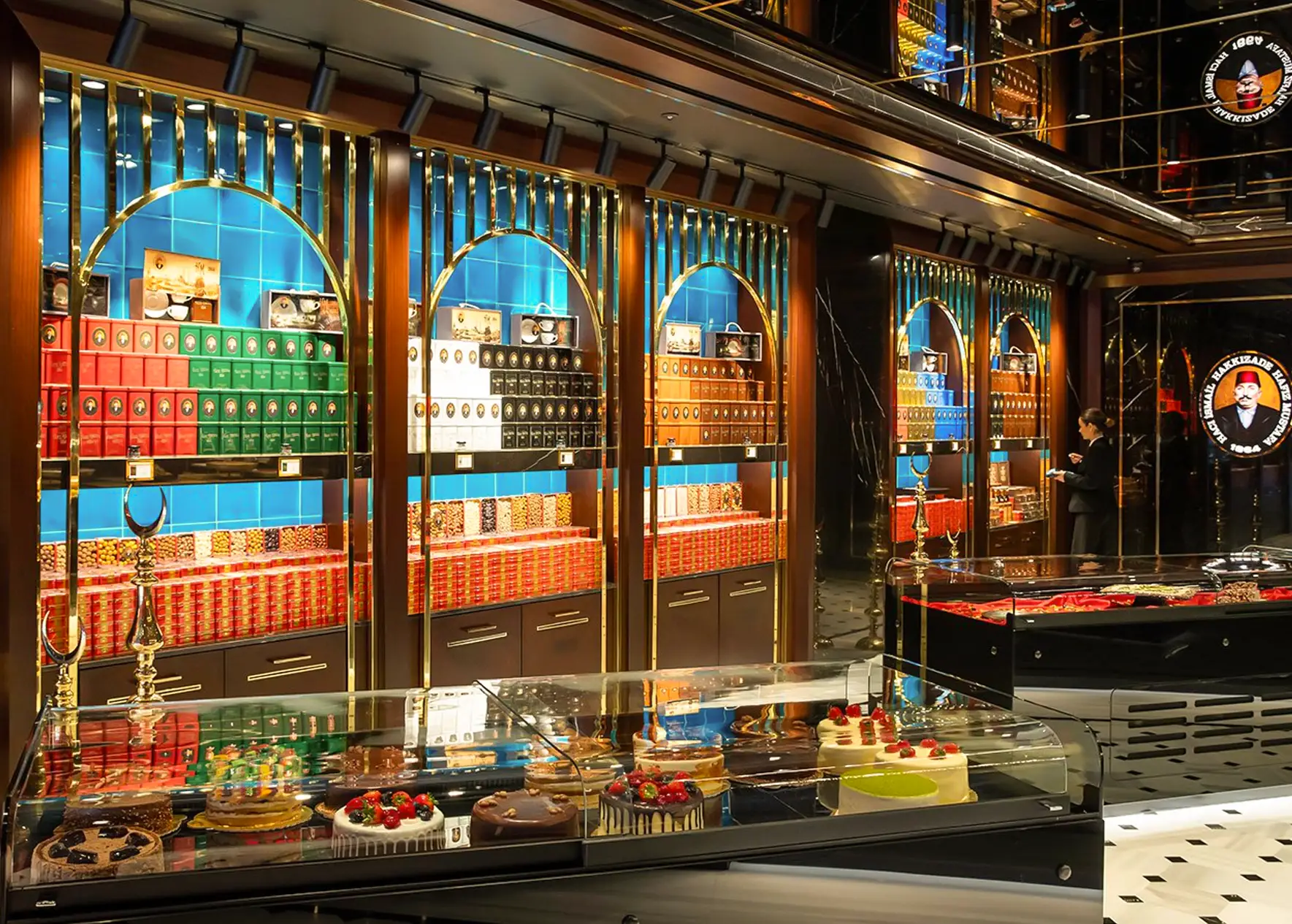
The design vocabulary draws upon Ottoman and Seljuk architecture, İznik ceramics, turquoise, Anatolian ornament, gilded details, mother-of-pearl, stone, marble, and geometric motifs. Kündekârî provides another important reference. The historic woodworking technique arranges small geometric pieces into intricate compositions associated with doors, windows, pulpits, and other architectural elements.
Domes form another recurring architectural element. Their proportions evoke historical Turkish architecture and, within the brand’s design language, connect the interior to older architectural traditions.
The visual vocabulary also uses the Seljuk star, geometric systems, and the carnation. The attached identity notes connect the eight-pointed star to virtues such as mercy, compassion, patience, truthfulness, confidentiality, loyalty, generosity, and gratitude. The carnation carries associations with purity, loyalty, and Sufi culture.
Such references give Hafiz Mustafa interiors a distinctly Turkish cultural language.
The intention reaches beyond decoration.
A guest entering Hafiz Mustafa should encounter Istanbul before the first dessert reaches the table.

Yadigâr — The Heirloom
One Turkish word offers an especially fitting description of the house:
Yadigâr.
An heirloom carries more than age. It carries affection, memory, and responsibility.
Hafiz Mustafa treats its recipes similarly. Generations inherited preparations from earlier masters, learned their subtleties through repeated practice, and passed them onward. Historical advertisements, medals, shop records, architectural references, and old names belong to the same inheritance.
Desserts can become heirlooms, too.
A familiar baklava brought home after a visit to Istanbul, Turkish delight placed beside coffee, sütlaç remembered from childhood, or poğaça purchased from Bahçekapı can acquire a personal history far greater than the recipe itself.
Consequently, such memories illustrate Hafiz Mustafa's simultaneous relevance to both culinary history and quotidian routines.

Haute Confiserie, Born in Istanbul
Today, Hafiz Mustafa describes its culinary world through Haute Confiserie.
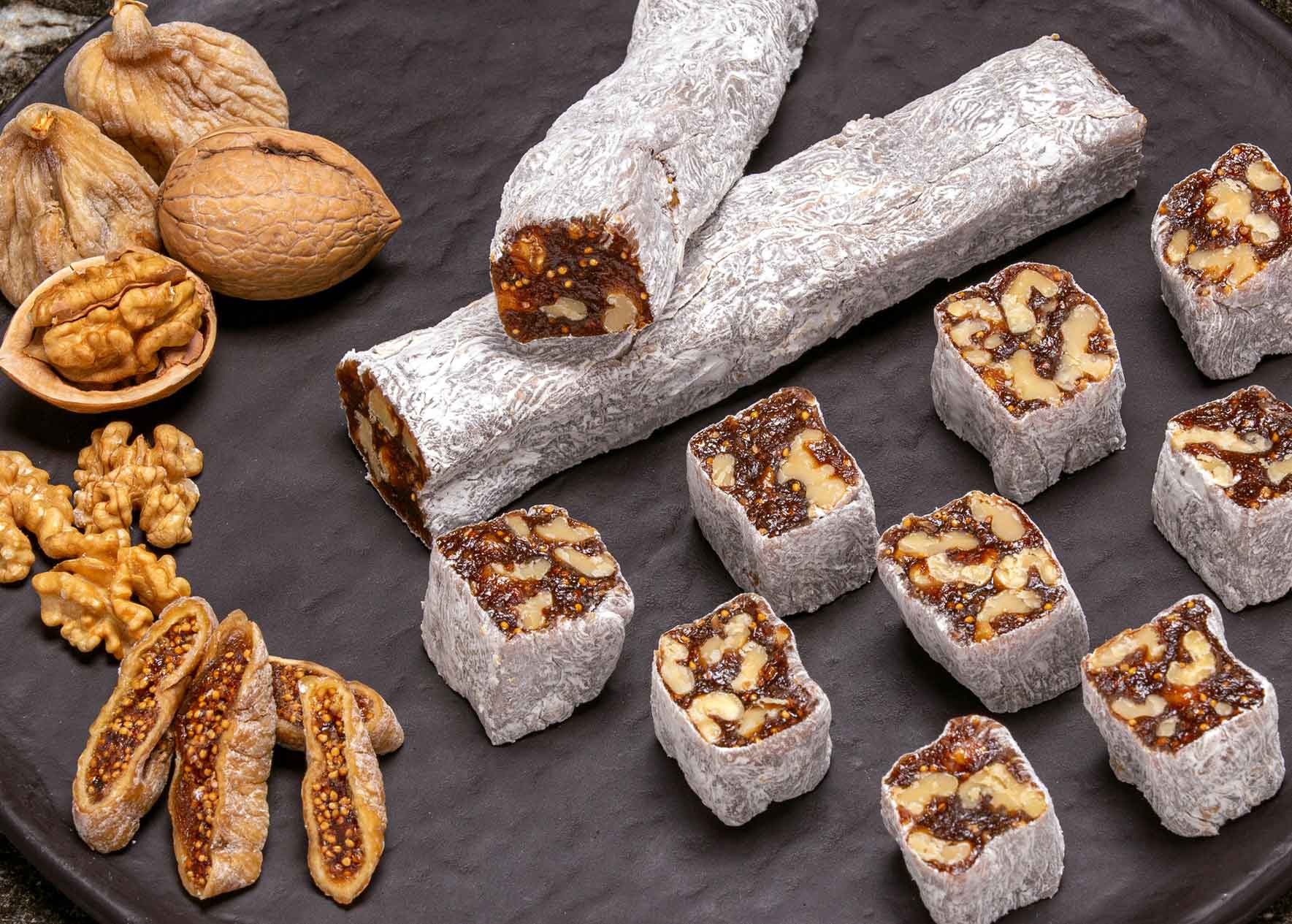
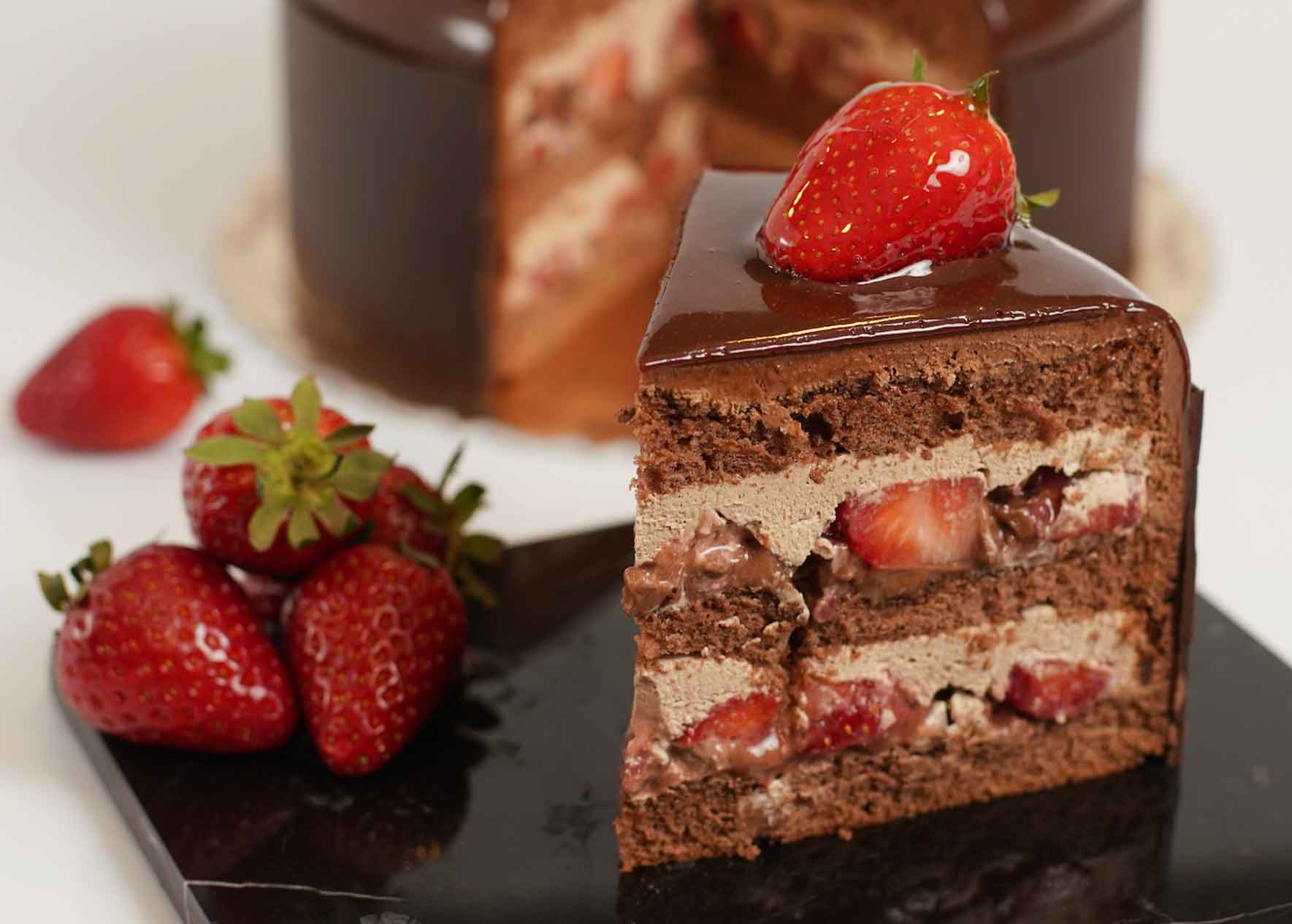
The phrase fits a house whose repertoire crosses baklava, Turkish delight, kadayif, chocolate, cakes, milk desserts, helva, dragees, coffee, tea, and regional specialties.
Haute Confiserie at Hafiz Mustafa begins with the ingredient and continues through savoir-faire. Fine pastry asks for skilled hands. Lokum asks for patience. Chocolate asks for quality. Fruit asks to retain its natural fragrance. Pistachio deserves enough space in a recipe for its taste to remain unmistakable.
Such principles connect nineteenth-century confectionery with the contemporary Hafiz Mustafa table.
Centuries of experience devoted to taste describe the philosophy more accurately than fashion or novelty ever could.

More Than a Century and a Half at the Table
Hafiz Mustafa has lived beside extraordinary chapters in Istanbul’s history.
The house existed during the final decades of the Ottoman Empire, through constitutional periods, successive sultans, Istanbul’s occupation, and the proclamation of the Turkish Republic. It witnessed enormous changes in transport, commerce, architecture, and daily life.
Yet some of the most meaningful evidence of continuity lies in quieter things.
A tray is leaving the oven.
Experienced hands open phyllo.
Pistachios are prepared for baklava.
Lokum rests until its texture reaches the desired point.
Coffee poured beside a small confection.
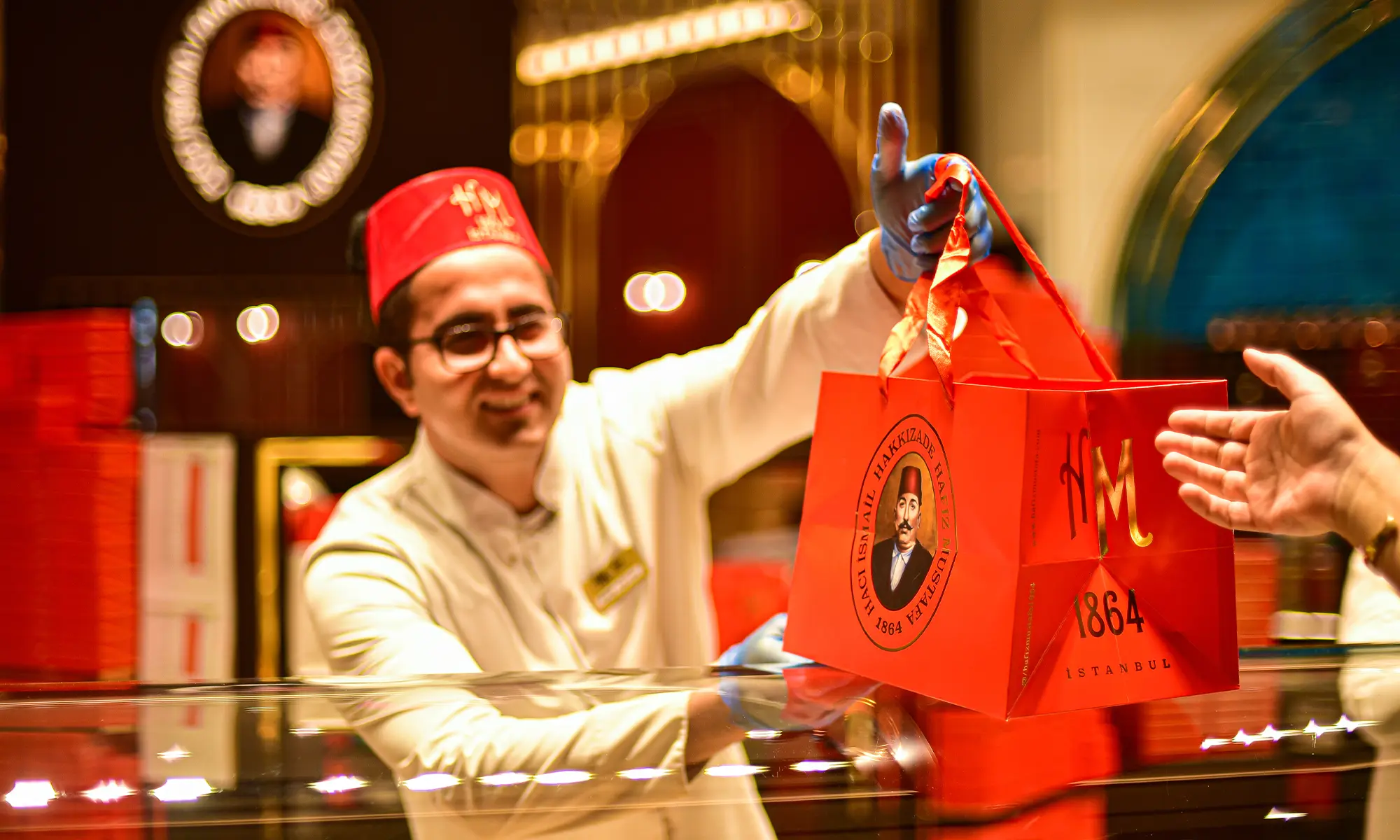
Guests entering Bahçekapı.
Another morning begins in the kitchen.
History becomes tangible through repetition.
Hafiz Mustafa has repeated those rituals for more than 160 years.

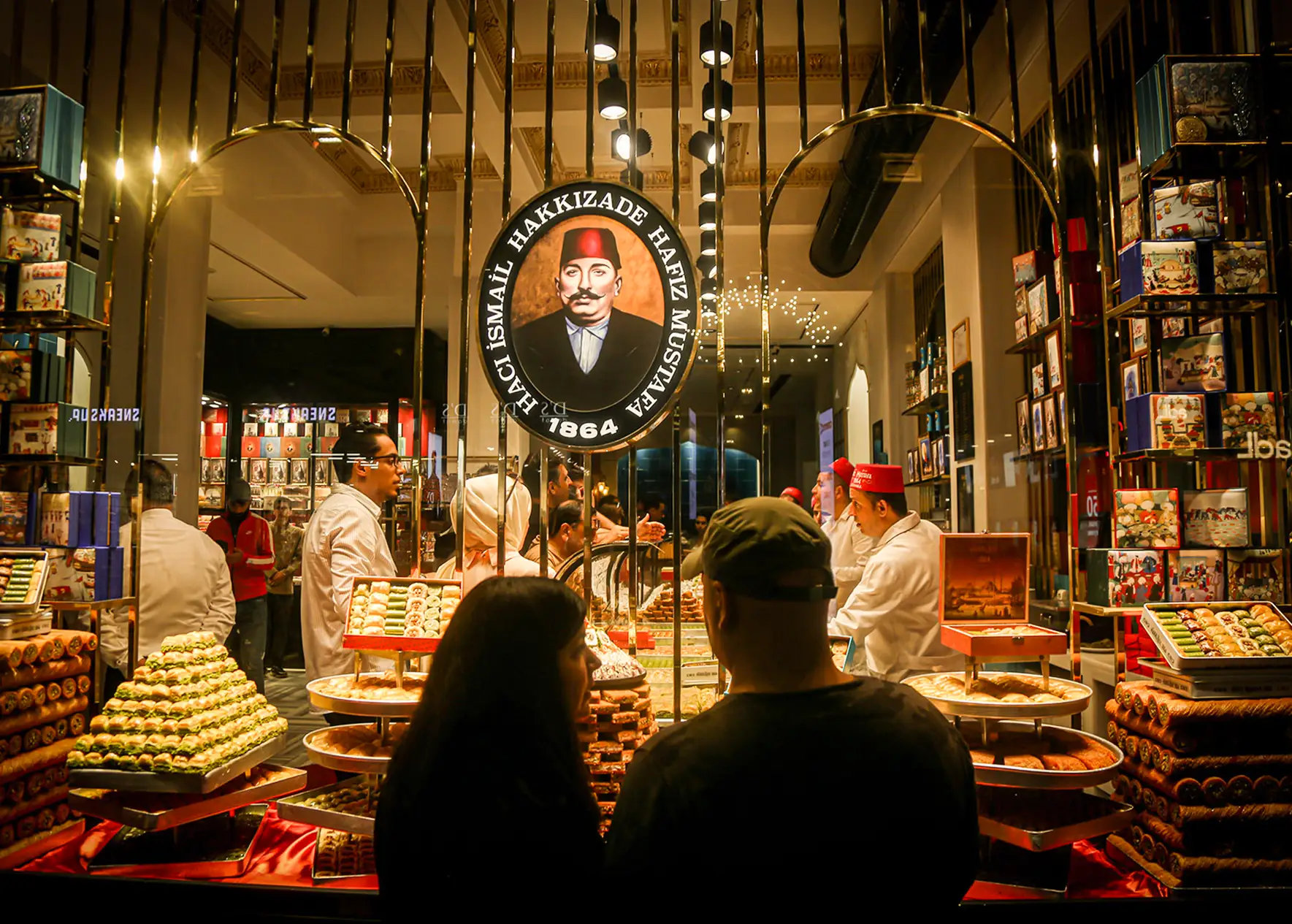
A Taste of Centenary Heritage
Hafiz Mustafa began in 1864 with İsmail Hakkı Bey, his sons, and a cellar in Bahçekapı.
Years gave the house a name.
Generations gave it experience.
Istanbul gave it character.
Ingredients gave the recipes their taste.
Guests gave the name a place in memory.
Eleven European medals, international culinary honors, literary tributes, and expansion far beyond Türkiye eventually followed. Yet the essential ambition still belongs to the kitchen.
Traditional Turkish desserts are prepared fresh every day.
Recipes passed down through generations coexist with contemporary pâtisserie. Fine ingredients enter preparations whose standards have matured over more than a century and a half. Architecture carries echoes of Ottoman, Seljuk, and Anatolian culture. Hospitality carries the manners of the table.
Hafiz Mustafa remains a confectionery house born in Istanbul, shaped through Turkish culinary culture, and devoted to the pleasures of taste since 1864.
Hafiz Mustafa 1864
A Taste of Centenary Heritage.
Shop by Collection